
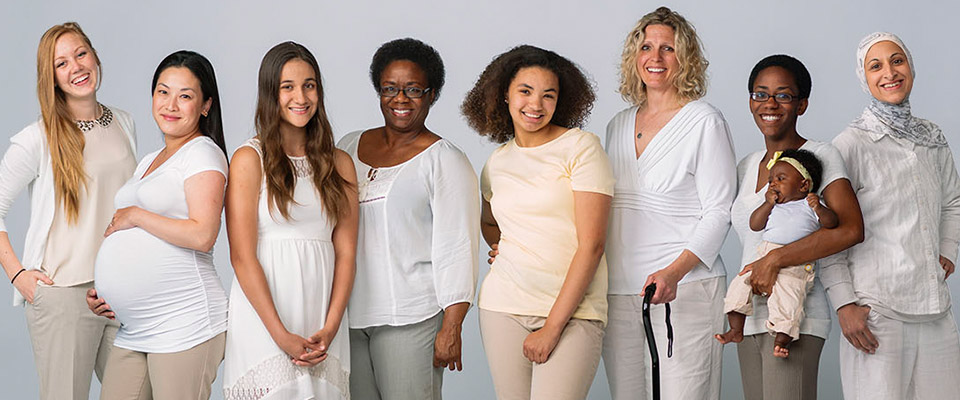
Introduction: Expanding the Lens on Women’s Health
Women’s health is a subject both deeply personal and profoundly universal. It is not confined to the realms of maternity wards or gynecological clinics—it is a lifelong journey encompassing physical wellness, emotional resilience, mental stability, and socio-economic equity. Too often, conversations around women’s health are narrowed to reproductive care, overlooking the rich, intricate landscape of needs and experiences that shape a woman’s overall wellbeing. To nurture truly healthy lives, we must adopt a more holistic, inclusive, and informed perspective that evolves with women through every life stage.
The Lifespan Approach: Health Through Every Chapter
Health is not static. A woman’s body and needs change profoundly as she moves through the decades of her life. Understanding these phases is the first step in crafting effective, respectful care.
Adolescence and Early Adulthood: Laying the Foundation
The adolescent years mark a time of transformation. Girls experience dramatic hormonal changes, mental development, and emotional growth.
-
Menstrual education must move beyond biology to address stigma, cycle awareness, and self-care.
-
Nutrition and activity in teen years influence long-term bone health, metabolism, and fertility.
-
Mental wellness support is essential, as young women navigate identity, peer pressure, and body image challenges.
Comprehensive sexual health education and early emotional literacy can empower girls to make informed decisions and care for their bodies with confidence.
Reproductive Years: Informed Choice and Preventive Care
During the reproductive phase—typically from the twenties to the forties—women face a complex web of decisions regarding fertility, career, family, and health management.
-
Fertility education should include natural cycle tracking, hormonal understanding, and fertility preservation options.
-
Contraceptive access must be diverse, affordable, and rooted in personal agency rather than societal expectation.
-
Pregnancy and postpartum care go far beyond childbirth, requiring emotional, physical, and often economic support.
-
Routine screenings for breast and cervical cancer, STIs, and cardiovascular risks become essential.
These years also represent a time of high stress and high ambition. Mental health support must be normalized in both personal and professional spaces.
Midlife and Menopause: Embracing Change with Support
The midlife years can be a liberating but physically challenging period. As women approach menopause, the decline in estrogen triggers changes that affect multiple body systems.
-
Symptoms like hot flashes, insomnia, and mood swings should be managed with individualized care—whether through hormone therapy or holistic solutions.
-
Heart disease risk rises, necessitating lifestyle adjustments and regular checkups.
-
Bone density loss increases; strength training and calcium-rich diets can mitigate the impact.
-
Psychological shifts, including reassessment of identity, relationships, and purpose, require emotional sensitivity and societal validation.
Menopause should be discussed openly, without shame, recognizing it as a powerful life transition, not a decline.
Later Years: Aging with Grace and Strength
Aging is often framed in terms of loss, but it can also be a season of refinement, clarity, and strength—if supported by appropriate healthcare and lifestyle choices.
-
Cognitive care, including memory screenings and brain health routines, is crucial.
-
Mobility maintenance, through physical therapy and adaptive exercise, helps preserve independence.
-
Chronic disease management, from diabetes to arthritis, must be approached with compassion and proactivity.
-
Emotional well-being and social connection play a vital role in preventing loneliness and depression.
Healthy aging isn’t just about extending life—it’s about enriching it.
The Pillars of Holistic Women’s Health
True wellness extends beyond the doctor’s office. It is a daily practice built on multiple, interconnected pillars.
Physical Health
-
Balanced nutrition rich in fiber, healthy fats, and key micronutrients like iron, folate, and vitamin D is fundamental.
-
Regular physical activity supports heart health, bone density, mood stability, and metabolic function.
-
Sleep hygiene must be respected as a cornerstone of hormonal regulation, cognitive performance, and immune resilience.
Mental and Emotional Health
-
Women experience anxiety and depression at significantly higher rates than men, often due to hormonal, societal, and caregiving stressors.
-
Therapy, journaling, meditation, and support groups can serve as vital tools for emotional resilience.
-
Breaking societal myths around perfectionism, motherhood, and femininity is part of reclaiming emotional autonomy.
Preventive and Diagnostic Care
-
Early detection of diseases through screenings saves lives and reduces treatment intensity.
-
Vaccinations and routine assessments like thyroid tests, pelvic exams, and cholesterol checks should not be overlooked.
-
Personalized medicine, based on genetic history, lifestyle, and age, can revolutionize care outcomes.
Socio-Economic Determinants
Health is not only a biological concern—it’s a socio-economic one.
-
Access to care remains uneven; rural women, low-income women, and minorities face disproportionate barriers.
-
Workplace support, including maternity leave, menopause accommodations, and flexible healthcare benefits, directly impacts wellness.
-
Education and financial independence are vital contributors to a woman’s ability to seek, understand, and afford care.
Empowerment through policy reform, community health programs, and education can transform outcomes for generations.
Technology and Women’s Health: Innovation Meets Intuition
In recent years, digital health tools have begun to reshape the way women interact with their health.
-
Menstrual tracking apps allow women to understand their cycles and manage symptoms more effectively.
-
Telehealth makes specialist care more accessible for busy, homebound, or rural women.
-
Wearables now monitor everything from sleep quality to fertility indicators, offering real-time health feedback.
However, these technologies must be developed with diverse users in mind, ensuring accessibility, privacy, and cultural sensitivity.
Cultural Shifts and the Future of Women’s Health
True progress in women’s health demands a cultural shift—from silence to dialogue, from neglect to priority.
-
Educating boys and men about women’s health fosters empathy and shared responsibility.
-
Breaking taboos around menstruation, sexual health, and aging promotes dignity and agency.
-
Investing in women’s health research ensures treatments, diagnoses, and medical training are based on accurate, inclusive data.
As women continue to take up space in every arena—economic, political, scientific—their health must be protected and honored as a foundation of social strength.
Conclusion: Wellness as a Birthright
Women’s health is not a luxury, nor a niche—it is a necessity, a right, and a mirror of society’s values. When women are well, families flourish, economies grow, and communities strengthen. By listening more closely, investing more wisely, and acting more boldly, we can ensure that every woman—no matter her age, background, or biology—has the opportunity to live not just a long life, but a vibrant, empowered one.
In caring for women holistically, we are not merely addressing health—we are affirming humanity.
 Nutrio Health Blog