
Introduction: Reimagining Fitness as a Lifestyle, Not a Task
In a world that often associates fitness with fleeting trends and unattainable ideals, there is a need to return to a more grounded, intelligent approach to physical well-being. Fitness and exercise, when embraced thoughtfully, are not merely aesthetic pursuits—they are integral to the human experience. They influence our vitality, our emotional balance, and even our intellectual clarity. Fitness, in its truest form, is not a short-term obligation but a lifelong dialogue between body and mind, intention and movement.
Understanding the True Essence of Fitness
Fitness is best defined not by six-pack abs or the number on a scale, but by one’s ability to move with strength, endurance, and grace across various domains of life. It’s about physical resilience, mental sharpness, and the stamina to meet daily demands without fatigue. The key lies in cultivating a holistic practice that adapts with us—through seasons, stages, and personal evolution.
The Pillars of a Balanced Fitness Regimen
To craft a lifestyle rooted in wellness, one must focus on the five essential dimensions of fitness. Together, they build a foundation that supports not only physical performance but also longevity and emotional well-being.
1. Cardiovascular Health: Strengthening the Heart of the Matter
A strong cardiovascular system is vital for everything—from managing stress to maintaining cognitive function. Cardio workouts enhance circulation, boost metabolism, and reduce the risk of chronic conditions such as diabetes, hypertension, and heart disease.
Recommended activities:
-
Brisk walking or hiking through natural landscapes
-
Swimming laps or engaging in aquatic fitness
-
Dancing, cycling, or rowing
-
High-Intensity Interval Training (HIIT) for time efficiency
Frequency: Aim for 150–300 minutes of moderate-intensity or 75–150 minutes of vigorous-intensity aerobic activity weekly.
2. Muscular Strength and Endurance: Building a Resilient Body
Muscle tissue isn’t just about power—it’s a key determinant of metabolic health, bone density, and injury prevention. Strength training allows the body to function optimally, particularly as we age.
Approaches to strength training:
-
Weightlifting (free weights, machines, kettlebells)
-
Bodyweight exercises (squats, push-ups, planks)
-
Resistance bands or functional training tools
-
Compound movements that target multiple muscle groups
Guideline: Incorporate resistance training at least twice a week, targeting all major muscle groups.
3. Flexibility and Mobility: Preserving Graceful Movement
Often overlooked, flexibility and mobility are essential for maintaining posture, preventing injury, and enhancing the quality of everyday movement. A supple body supports strength by allowing muscles to work through their full range.
Best practices:
-
Morning or evening stretching routines
-
Yoga for dynamic flexibility and inner stillness
-
Pilates to blend core strength and mobility
-
Foam rolling to release muscle tension and fascia
4. Balance and Core Stability: The Center of Control
Balance is the foundation of every movement we make, from walking to carrying groceries. A stable core contributes to proper alignment, improved coordination, and reduced fall risk.
Ways to develop balance and stability:
-
Standing yoga postures (tree pose, eagle pose)
-
Stability ball or BOSU-based exercises
-
Tai Chi or martial arts
-
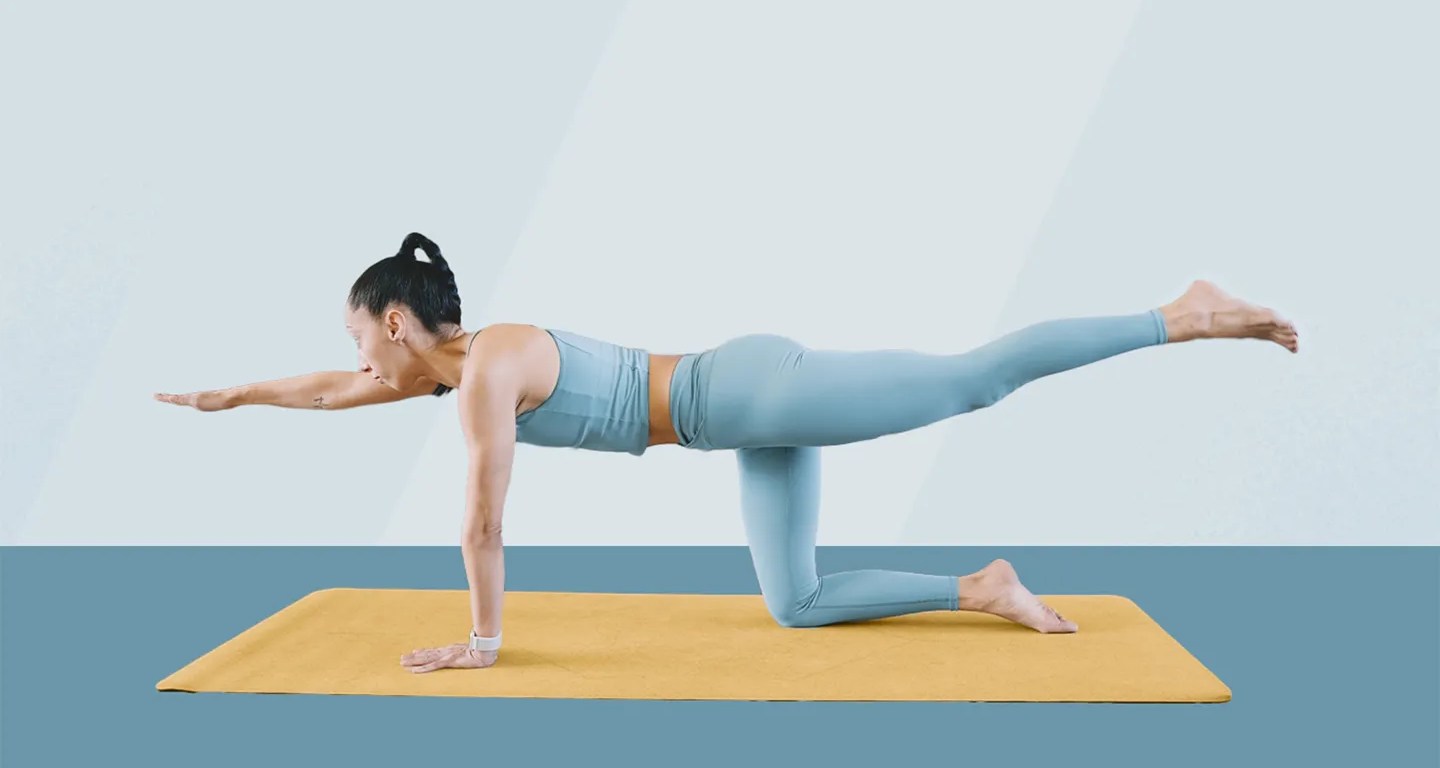
Core-specific routines (bridges, bird dogs, side planks)
5. Recovery and Regeneration: The Silent Work Behind the Results
Perhaps the most underestimated aspect of fitness is recovery. Muscles rebuild during rest, and the nervous system recalibrates. Without adequate downtime, even the best workouts become counterproductive.
Recovery essentials:
-
7–9 hours of restorative sleep each night
-
Rest days or active recovery days (gentle walks, stretching)
-
Proper hydration and nutrient-dense meals
-
Techniques like massage, contrast therapy, and mindfulness
Fitness Across Life’s Stages: An Adaptive Approach
Fitness should not be rigid or static—it must evolve. Whether you’re in your 20s or 70s, the goal remains the same: to support a life of engagement, ease, and purpose.
In your 20s–30s: Establish consistency and experiment with various modalities.
In your 40s–50s: Refine technique, prioritize recovery, and protect joints.
In your 60s and beyond: Focus on mobility, balance, and low-impact strength training to maintain independence.
Nutritional Synergy: Fueling the Fitness Journey
No fitness plan is complete without attention to what fuels the body. Proper nutrition enhances performance, aids recovery, and sustains energy levels.
Key principles:
-
Eat whole, unprocessed foods: vegetables, lean proteins, complex carbs, and healthy fats.
-
Prioritize hydration: Water supports muscle function and joint lubrication.
-
Time meals to support workouts: A pre-workout snack and a post-exercise meal with protein and carbohydrates optimize energy and recovery.
The Mental and Emotional Benefits of Exercise
Beyond the mirror, exercise offers one of the most profound routes to inner balance. Physical activity reduces cortisol levels, elevates mood through endorphin release, and fosters mental clarity. In many cases, regular movement can rival traditional interventions for mild to moderate depression and anxiety. There’s also a meditative quality in the rhythm of breath, motion, and focus that fosters a grounded, resilient mindset.
Making Fitness Sustainable: Habits That Endure
-
Find enjoyment: The most effective fitness routine is one that fits your personality and lifestyle.
-
Set intrinsic goals: Instead of aiming to “look better,” focus on feeling stronger, sleeping better, or improving mobility.
-
Honor your body’s feedback: Learn to distinguish between discomfort that challenges growth and pain that signals injury.
-
Track progress wisely: Celebrate the subtle wins—more stamina, better posture, improved flexibility—not just the scale.
-
Create supportive rituals: Morning walks, evening stretches, or weekend hikes can become cherished parts of your routine.
Conclusion: Fitness as a Cultivation of the Self
In its highest form, fitness is not vanity—it is stewardship. It is the care of one’s vessel so that we may experience life fully, love deeply, and serve our purpose with vigor. When practiced with intention and elegance, exercise becomes more than movement—it becomes a lifestyle, a philosophy, and a quiet revolution against stagnation. The journey to fitness is not about perfection, but about presence, effort, and grace in motion. Through it, we learn discipline, resilience, and the immense potential that resides within the human form.

